Unveiling the Latest Interior Design Style Trends
- Yulia

- Aug 5, 2025
- 3 min read
Interior design evolves constantly. Staying updated helps create spaces that feel fresh, functional, and inviting. I focus on practical ideas that work well for families, pet owners, and design professionals. This post explores the latest modern home design trends and offers clear guidance to apply them effectively.
Embracing Modern Home Design Trends
Modern home design trends emphasize simplicity, comfort, and sustainability. Clean lines and natural materials dominate. I see a shift toward spaces that support daily life while reflecting personal style.
Key elements include:
Neutral color palettes with warm undertones
Natural textures like wood, stone, and linen
Open floor plans that encourage flow and connection
Multi-functional furniture for flexible living
Eco-friendly materials and energy-efficient solutions
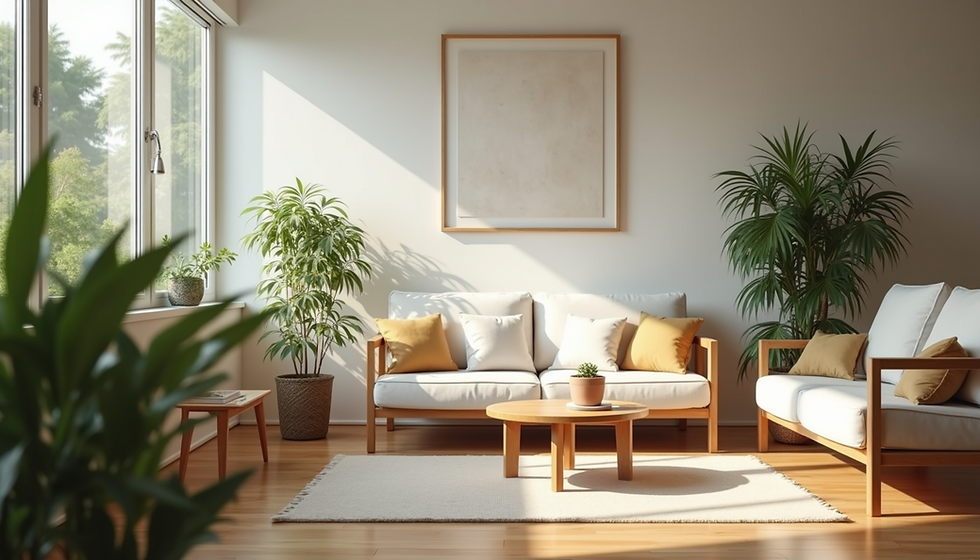
For example, a living room might feature a soft beige sofa paired with a reclaimed wood coffee table. Large windows bring in natural light, reducing the need for artificial lighting during the day. These choices create a calm, welcoming environment.

How to Incorporate Modern Home Design Trends in Your Space
Applying these trends requires thoughtful planning. I recommend starting with a clear vision of how you use your space. Consider these steps:
Assess your needs - Identify daily activities and storage requirements.
Choose a color scheme - Stick to neutrals with one or two accent colors.
Select materials carefully - Prioritize durability and sustainability.
Invest in versatile furniture - Pieces that serve multiple purposes save space.
Add greenery - Plants improve air quality and add life to rooms.
For families, durable fabrics and rounded furniture edges enhance safety and longevity. Pet owners benefit from stain-resistant materials and easy-to-clean surfaces. Design professionals can mix textures and finishes to add depth without clutter.

What is the 60/40 Rule in Interior Design?
The 60/40 rule helps balance color and texture in a room. It suggests that 60% of the space should be a dominant color or material, while 40% complements it with secondary tones or textures.
For example, in a living room:
60% could be soft gray walls and a large sofa.
40% might include accent pillows, rugs, and artwork in muted blues or greens.
This ratio creates harmony without overwhelming the senses. It also allows flexibility to change accents seasonally or as tastes evolve.
I use this rule to guide clients in selecting paint, fabrics, and accessories. It simplifies decision-making and ensures cohesive results.
Practical Tips for Family-Friendly Modern Interiors
Families need spaces that are both stylish and functional. I focus on designs that grow with the household and accommodate everyday life.
Durable surfaces: Quartz countertops and hardwood floors resist wear.
Smart storage: Built-in shelves and under-bed drawers reduce clutter.
Safe layouts: Clear pathways and rounded furniture edges prevent accidents.
Comfortable seating: Sofas with washable covers and ample cushions.
Pet-friendly features: Scratch-resistant fabrics and designated pet areas.
Lighting also plays a key role. Layered lighting with dimmers adapts to different moods and activities. Installing energy-efficient bulbs lowers costs and environmental impact.

Why Sustainable Design Matters Today
Sustainability is no longer optional. It shapes how we build and decorate homes. I encourage using eco-friendly materials and energy-saving technologies.
Benefits include:
Reduced environmental footprint
Healthier indoor air quality
Long-term cost savings
Enhanced resale value
Bringing It All Together
Modern home design trends focus on creating spaces that are beautiful, functional, and sustainable. By combining neutral palettes, natural materials, and smart layouts, you can craft interiors that support everyday life.
For more inspiration and expert guidance on interior design style trends, explore professional resources. Thoughtful design transforms houses into homes that grow with you.
I encourage you to start small. Update one room with these principles and observe the impact. Over time, your home will reflect a modern, comfortable lifestyle tailored to your needs.

Comments